How to work out how much mulch you need
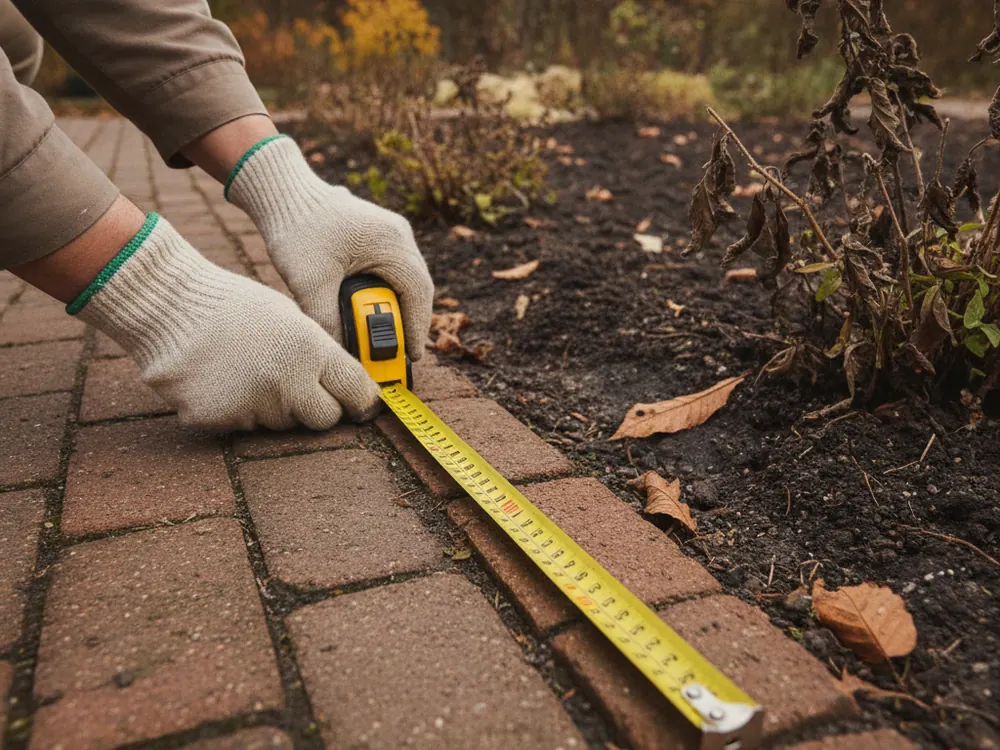
Measure each bed's length and width in feet and multiply them to get square feet. Add the beds together. Then decide on depth.
Iowa State University Extension notes that chipped or shredded hardwood mulches are usually spread between 2 and 4 inches thick. Most garden beds sit at the lower end of that range, and a top-up over existing mulch needs less again.
One cubic yard covers about:
- 160 square feet at 2 inches deep
- 108 square feet at 3 inches deep
- 80 square feet at 4 inches deep
So a front bed of 4 by 30 feet and a side bed of 3 by 20 feet add up to 180 square feet. At 2 inches, that is just over a yard. At 3 inches, it is closer to a yard and three quarters.
A note on irregular beds
Curved beds and island beds are harder to measure. Break them into rough rectangles and add the pieces together. Being off by ten percent is fine. Being off by half is how people end up with a pile left on the driveway, or a bed that stops short.
What bulk mulch costs from Junk Alert
Loose mulch is priced per cubic yard, before HST:
- Pine mulch: $70 per cubic yard
- Black mulch: $70 per cubic yard
- Cedar mulch: $75 per cubic yard
The minimum order is 1 cubic yard, then half-yard steps above that. Delivery is quoted separately, because it depends on your address and where the pile has to go. Customer pickup from the yard is not available. Every rate is on our pricing page.
Bulk vs bagged: how to compare the two
To compare fairly, put both options on the same unit.
- Work out how many yards you need, as above.
- Multiply by 13.5 to get the number of 2 cubic foot bags.
- Multiply that by the shelf price per bag, plus tax.
- Compare it with the per-yard price plus the delivery quote.
For a single small bed, bags usually win, because delivery is a fixed cost spread across very little material. That is why we tell anyone needing less than a yard to buy bags from a garden centre.
Past a yard or two, the comparison tips the other way. The per-yard price stays the same while the bag count keeps climbing, and the delivery charge is spread across more material.
Costs that do not show on the receipt
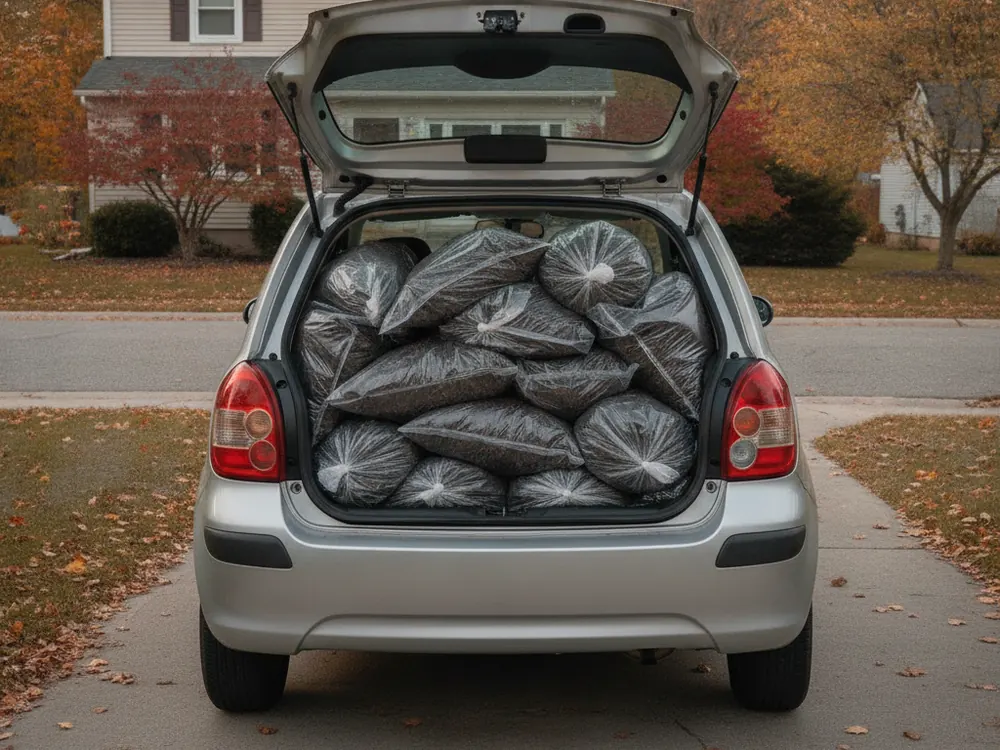
Price is not the only difference. Bags mean several trips in a car not built for it, plus a pile of plastic to dispose of afterwards. A bulk delivery is one tip on the driveway, and you spread it from the pile with a wheelbarrow.
Where the pile goes, and what to plan for
A delivered yard of mulch arrives as one heap. Most deliveries in Toronto are tipped on the driveway, which keeps the wheelbarrow run short. Where there is a wide enough gate and firm ground, the truck can tip closer to the beds.
A few things make the day go smoothly:
- Mark the spot. A tarp on the driveway makes cleanup easier and shows the driver where to tip.
- Check the parking. On narrow streets in the west end, keep the driveway clear of cars on delivery day.
- You need not be home. If the spot is clear and marked, the driver tips and goes, and calls if anything on site looks different.
Spring or fall
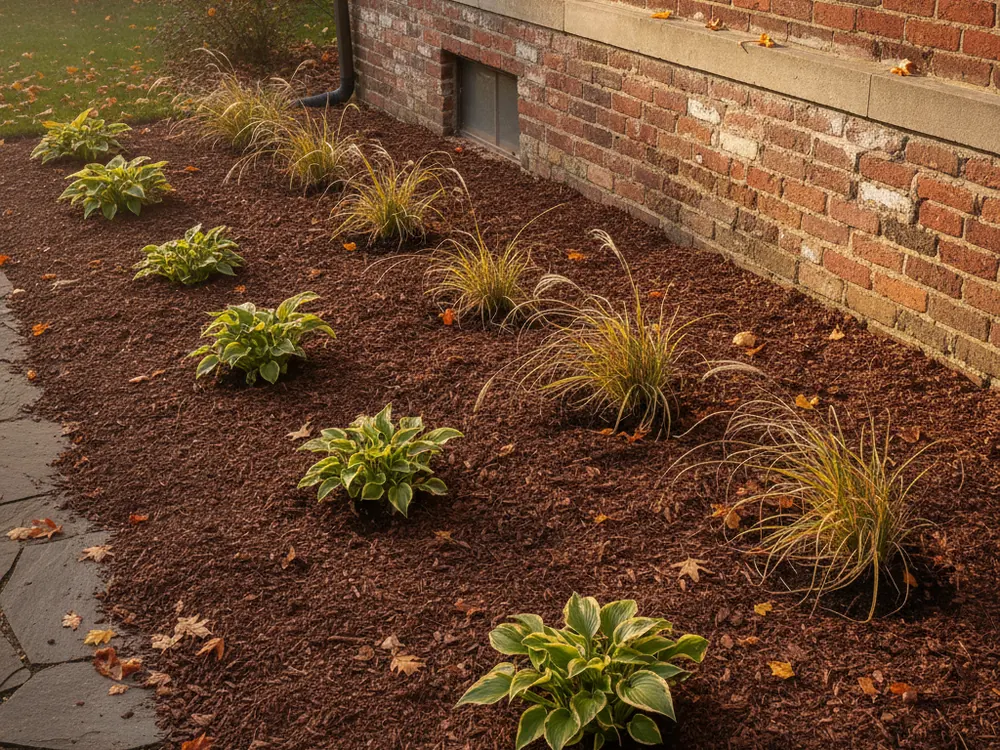
Spring is the busiest window for mulch and soil across the GTA, and ordering a week ahead helps then. A fall top-up is quieter, and it leaves beds looking finished going into winter. Deliveries slow once the ground freezes, so autumn orders are best placed before then.
Need Mulch Delivered in Toronto? Junk Alert Is Ready to Help
Send us your bed measurements and the depth you want, and we will convert them to yards so the order is not a guess. We stock pine, cedar and black mulch, along with soil, gravel and stone, and deliver Monday to Saturday from 7am.
See our mulch and material delivery service, call us at (647) 456-6665, or contact us today to book a delivery anywhere in Toronto and the surrounding areas.