Heavy material goes in a fill bin
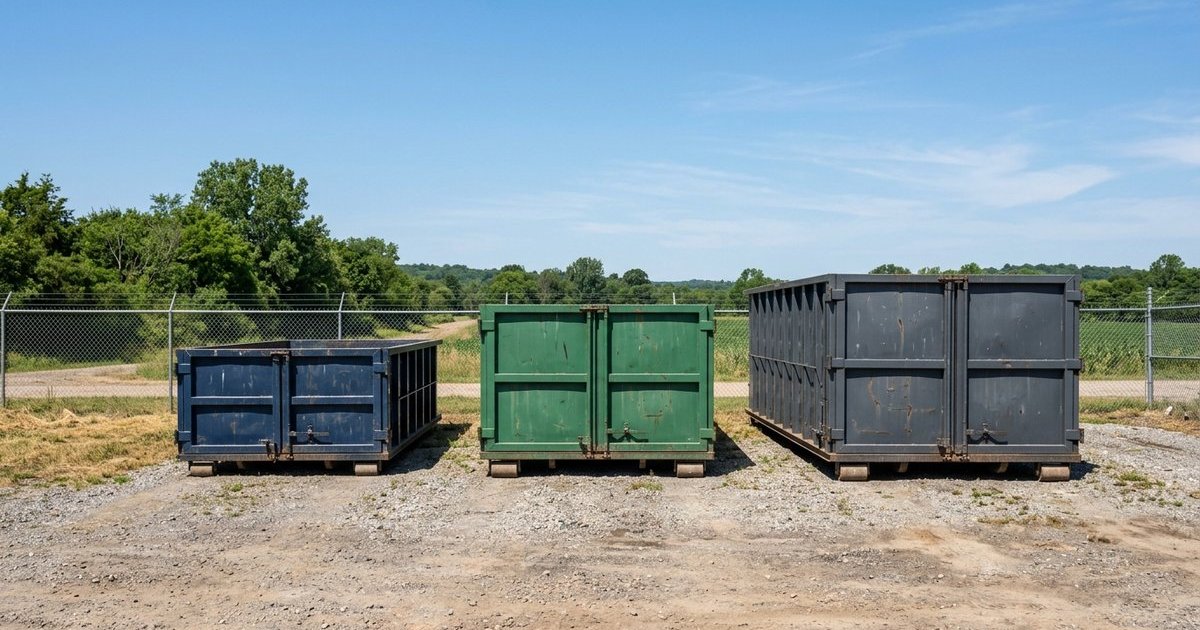
Concrete, brick, dirt and asphalt never go in a standard bin. They go in a 4 or 5 yard aggregate and fill bin, priced by what is in it:
| Size |
Clean fill |
Asphalt only |
Mixed fill |
Mixed with asphalt |
| 4 yard |
$325 |
$375 |
$375 |
$400 |
| 5 yard |
$350 |
$400 |
$400 |
$425 |
A small fill bin is the right call even on a large job. Heavy material reaches its weight limit long before it would fill a large bin, which is why fill bins come in 4 and 5 yard sizes. On a site with both demolition rubble and general debris, the usual setup is a fill bin for the concrete and brick and a larger bin on Weight Based Pricing for everything else.
Clean fill also goes to a different facility from mixed waste, so say what the material is when you book.
Why a bin beats depot runs for a job site
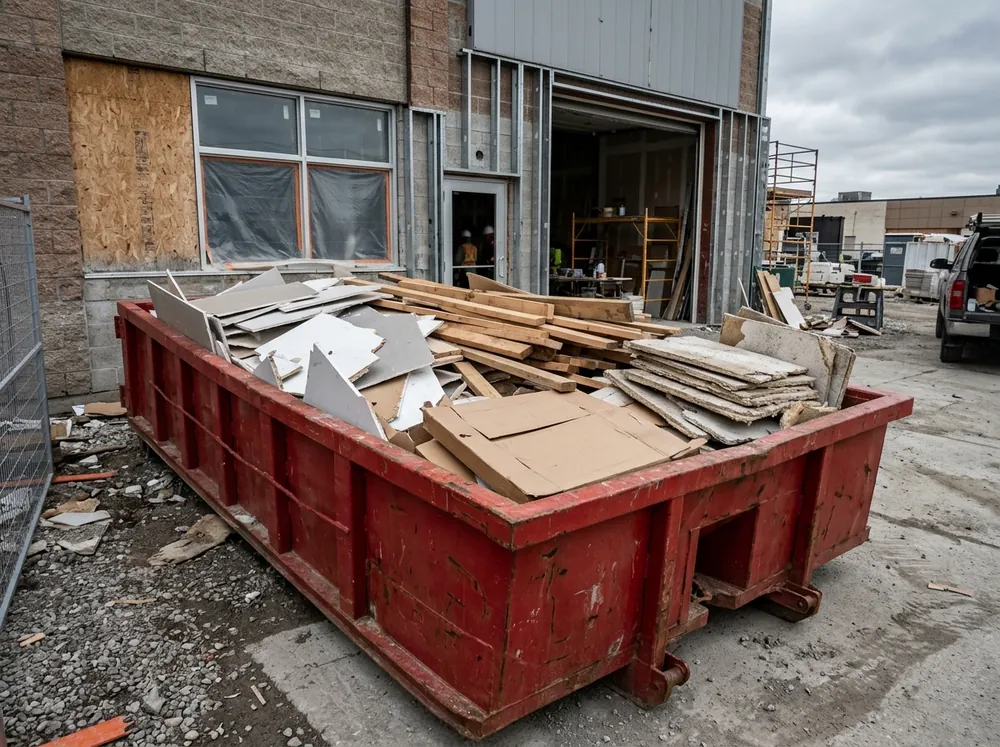
The City's drop-off depots are set up for households, not job sites. The City's list of items accepted at drop-off depots says drywall is accepted only at the Bermondsey, Ingram and Commissioners depots, up to 1 tonne, with nails, screws, corner beads, ceramics and wood removed first. Fees apply to renovation waste. Bricks, concrete, asphalt, cinder blocks and paving stones are not accepted at any depot, and the page tells you to arrange a private company for those.
For a crew producing debris every day, that means sorting drywall by hand, loading a truck and losing someone to a depot trip. A bin on site takes the debris as it comes off the walls, and the crew keeps working.
Plan the rental period around the job
Up to 10 days is included in every bin price. After that, extra days are $20 per day or $100 per 10-day block. On a commercial schedule that plays out like this:
- A one-week fit-out or strip-out. The included 10 days cover it, with a few days to spare for delays.
- A three-week renovation. Either book two bins in sequence, one collected full and a fresh one dropped, or keep one bin and add a $100 block. A swap makes sense when the first bin is full. The block makes sense when the bin is filling slowly.
- A unit turnover between tenants. Usually a single bin for a few days, or a crew-loaded junk removal visit if the unit has to be clear the same afternoon it is emptied.
Collection happens on the date you agree at drop-off. If the job finishes early, call and the truck comes sooner at no change to the rate.
Check the placement before the truck arrives
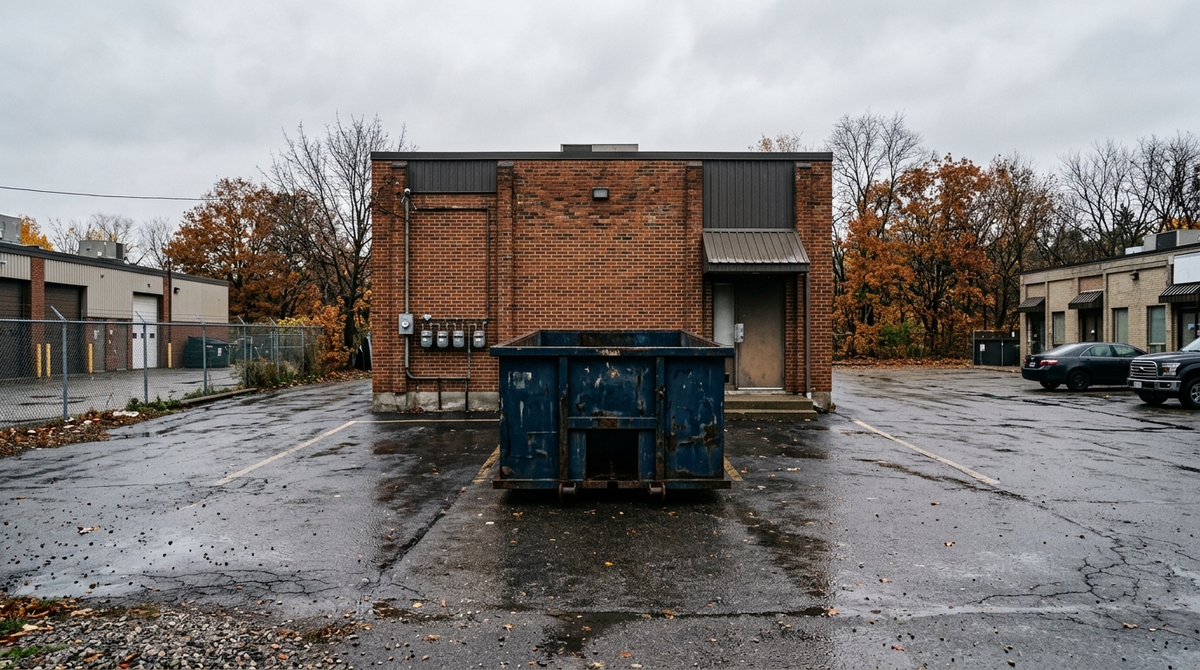
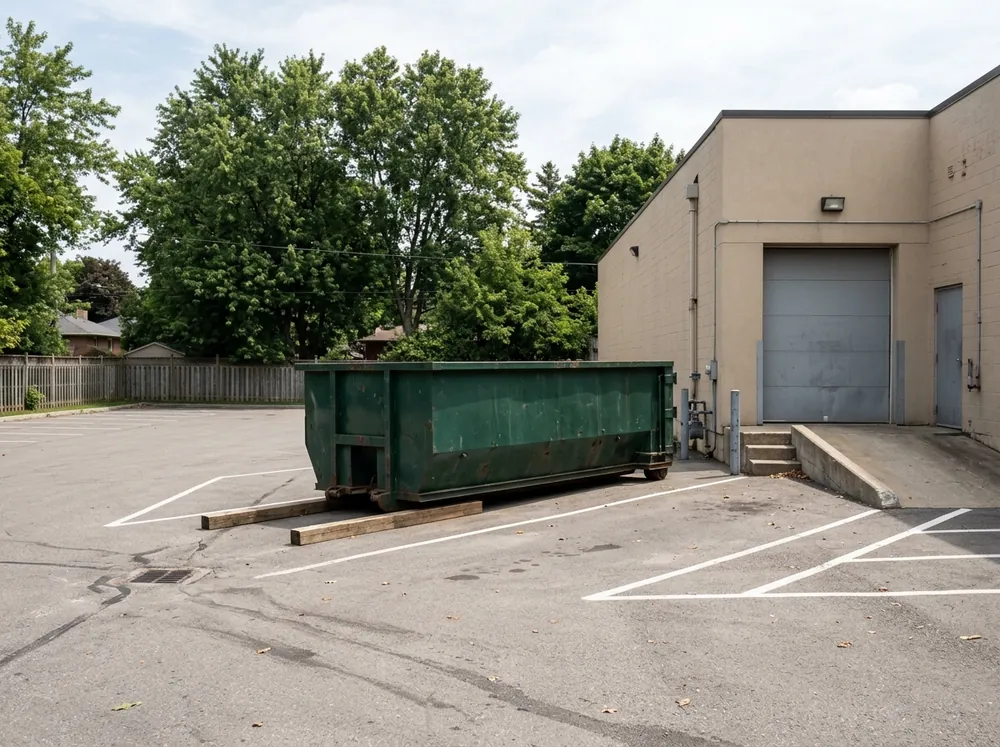
A bin needs its own length plus about ten feet behind it for the truck to tilt and load. Overhead wires, low branches and canopies above a loading area all matter. On commercial properties, check three things:
- Private lot or the street. On private property, no permit is needed. On a City of Toronto road allowance (the street, the boulevard or the curb lane) you need a street occupation permit, and the process differs between the former municipalities. Start that paperwork before you book the bin, not after.
- Shared parking. Plazas and multi-unit buildings often need the landlord or property manager to approve a spot. Mark it clearly so the driver does not have to guess.
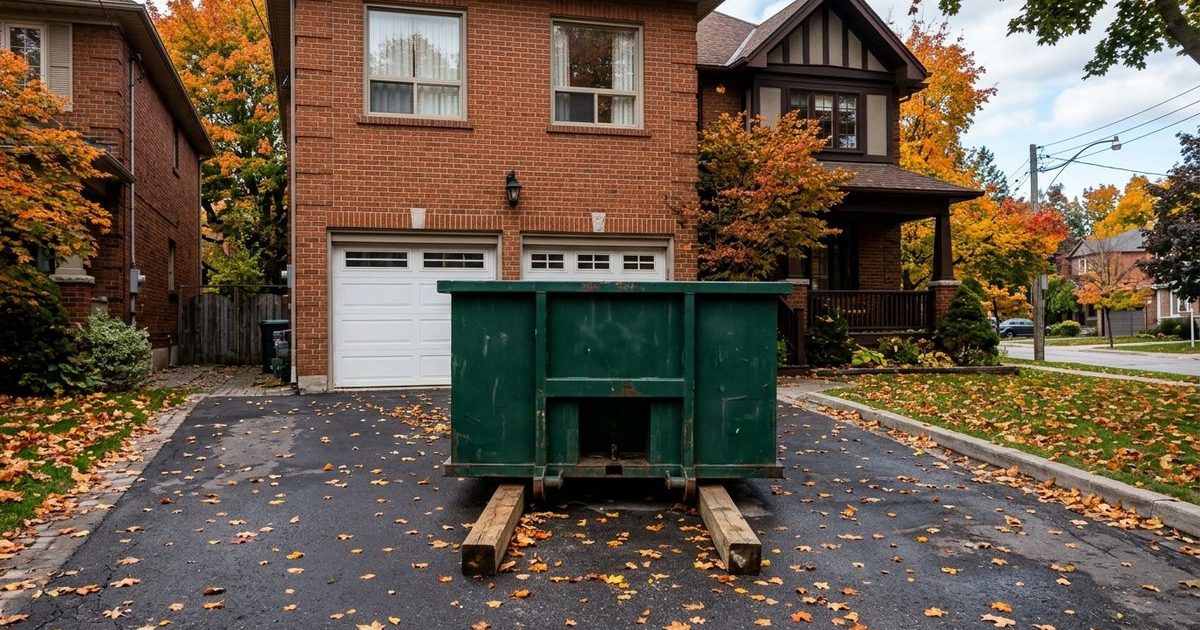
- The surface. Ask at booking and the driver sets the bin on boards, which spreads the load across asphalt or interlock.
A photo of the spot is the quickest way to confirm the size fits. Our guide on how to choose the right bin size covers placement in more detail.
What cannot go in a commercial bin
The same exclusions apply on a job site as at a house: paint, solvents, motor oil, fuel, propane tanks, car and marine batteries, asbestos and medical waste. Asbestos matters most on older commercial buildings. If a renovation could disturb suspected asbestos, it needs a qualified abatement contractor before the debris goes anywhere near a bin.
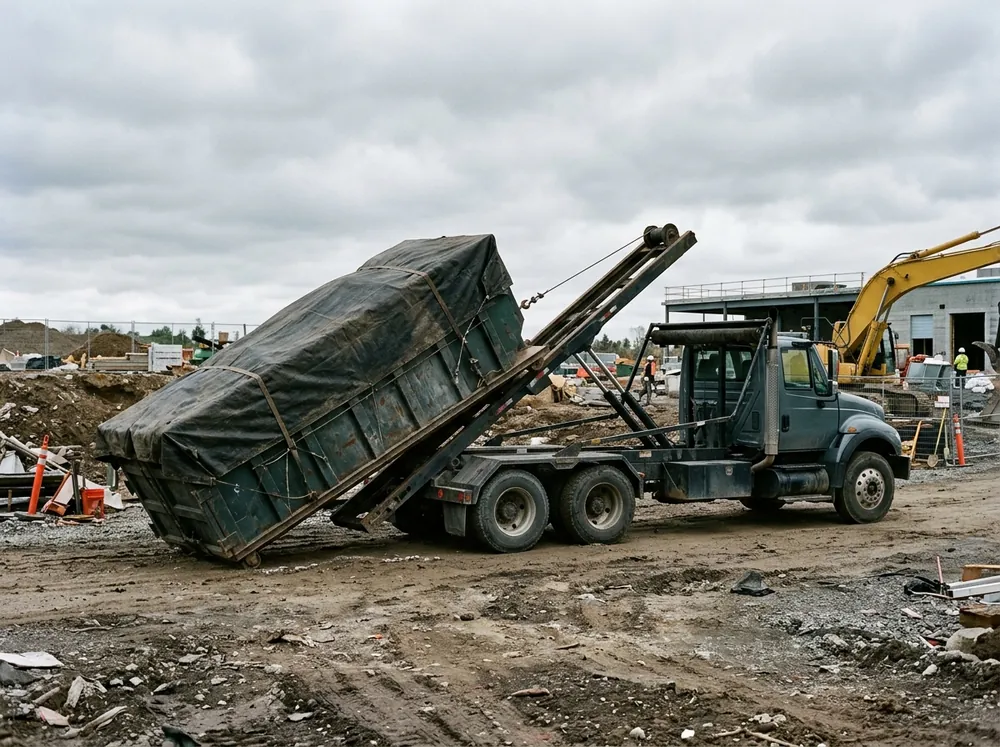
Loads also cannot sit above the top rail. A load that cannot be tarped cannot legally go on the road, so a bin filled too high waits until it is levelled.
Questions to ask any bin rental company before you book
Whichever company you call, these questions keep a commercial quote honest:
- What is the weight allowance, and what is the rate per tonne over it?
- How many days are included, and what does an extra day cost?
- Are delivery and pickup in the price, or charged separately?
- Which materials move the load to a different price, or are refused?
- Is the price before or after HST?
With Junk Alert, the answers are on our pricing page: published allowances, $140 per tonne over them, 10 days included, delivery and pickup in the price, and every figure before HST.
Need a Bin for a Job Site in Toronto? Junk Alert Is Ready to Help
Tell us what is going in the bin and where it will sit, and we will match the size and the pricing option before you book. We drop and collect bins across Toronto and the GTA, Monday to Saturday from 7am.
See our roll-off bin rental service, call us at (647) 456-6665, or contact us today to book.